
In short
Isla Catalina (Santo Domingo, Juan Dolio y Punta Cana: Tour in Santo Domingo, Dominican Republic. It costs USD $120.00 per person. It lasts 8 hours. This page is written for travelers arriving from Dublin, and we book it directly with no intermediary.
About this tour
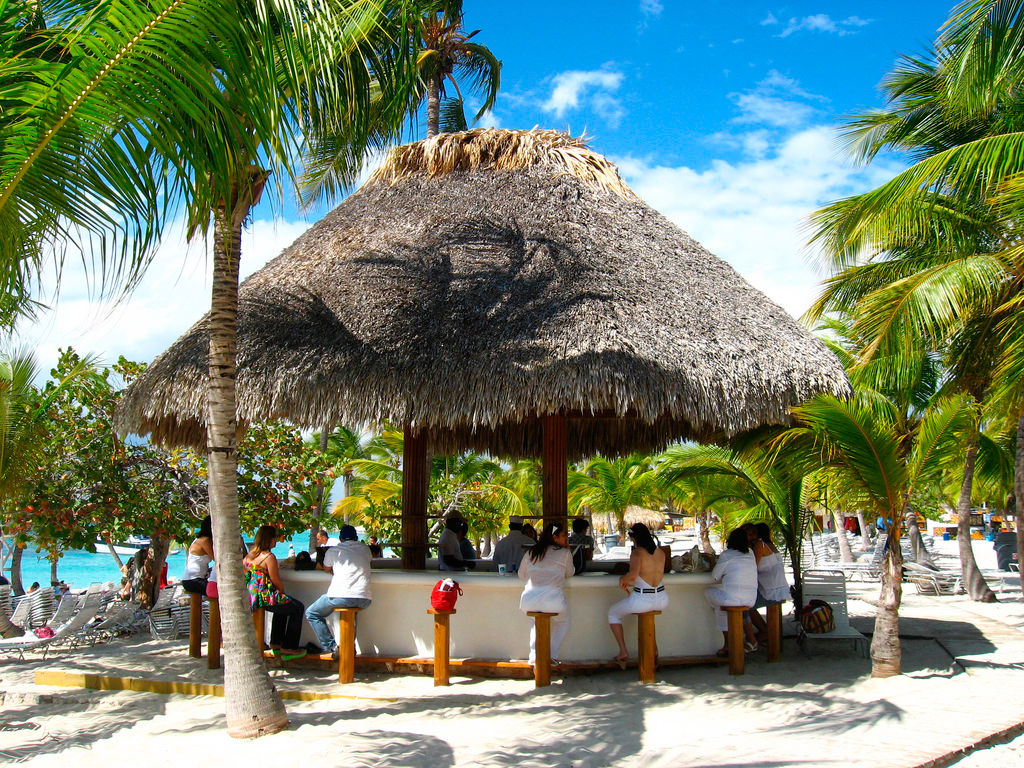
Aventura de buceo! Saliendo de La Romana, en un cómodo catamarán o barco con fondo de cristal que le llevará a la isla Catalina. Disfrute de los paisajes de colores y la belleza de la vida submarina de los arrecifes de coral, se incluye Equipo para bucear.
Highlights
- Array
Details
- Duration: 8 hours
Good to know
- Languages
- English, Español
What is included
- Pickup y regreso al hotel en autobús con A/C
- Guía oficial bilingüe (English / Español)
- Travesía en lancha rápida y/o catamarán
- Almuerzo buffet caribeño en la isla
- Bar abierto con bebidas nacionales
- Snorkel en piscina natural
Not included
- Propinas para guías y tripulación
- Bebidas premium e internacionales
- Souvenirs y gastos personales
- Seguro de viaje
Why travelers from Dublin choose this
From Dublin, travelers can access the Dominican Republic via direct flights operated by airlines such as Aer Lingus and Iberia, with typical flight times averaging 8 to 9 hours. These services run multiple times per week, particularly during peak travel periods, offering reliable connections from Dublin Airport to Punta Cana and Santo Domingo.
The Dominican Republic provides a strong winter escape for Irish travelers, with average temperatures in Dublin around 6°C during December through February, compared to 28°C in the Dominican Republic. This significant contrast makes it a preferred destination for those seeking consistent warmth and sunshine during Ireland’s colder months, aligning with peak booking months from Ireland: December, January, February, and March.
Practical advantages include a favorable exchange rate of approximately 1 EUR to 65 DOP, enhancing spending power locally. Irish citizens do not require a visa for tourist visits; instead, a tourist card costing $10 is required, typically purchased online or upon arrival. English is widely spoken in tourist areas, reducing language barriers and supporting ease of travel for Irish visitors.
How My Dominican Trip Works
My Dominican Trip works as a travel coordinator helping travelers plan and book experiences in Dominican Republic. We do not operate tours directly. We partner with trusted local providers and authorized operators registered in Dominican Republic to coordinate your trip.
When you book through us, you receive:
- Personalized planning support tailored to IE travelers
- Coordination with vetted local providers
- Pre-trip and during-trip assistance
- A single point of contact for all your bookings
Why Travelers Trust My Dominican Trip
We work exclusively with:
- Authorized local providers registered in Dominican Republic
- Insured tour operators with verified credentials
- Hotels and transport companies with proper licensing
- Local guides with professional certifications
My Dominican Trip supports you before, during and after your trip via WhatsApp, email and phone. We never share your data with third parties beyond what's required to confirm your bookings.
Frequently asked questions
- How much does Isla Catalina (Santo Domingo, Juan Dolio y Punta Cana cost?
- USD $120.00 per person. That is the rate we book at, with no booking fee added at checkout.
- What languages is it run in?
- It runs in English, Español. Tell us which one you want when you book and we confirm it with the operator before your date rather than on the day.
- Are there direct flights from Dublin Airport (DUB) to Punta Cana International Airport (PUJ), and which airlines operate them?
- As of 2024, there are no direct flights from Dublin Airport (DUB) to Punta Cana (PUJ). Travelers typically connect via major European hubs such as Madrid (MAD), Paris (CDG), or Amsterdam (AMS) with airlines like Iberia, Air France, or KLM. Total journey time usually ranges from 12 to 16 hours depending on layover duration. Aer Lingus and Ryanair do not operate transatlantic routes to the Dominican Republic from Dublin. Passengers should check seasonal charter options from tour operators like Jet2holidays or TUI, which occasionally offer indirect packages via UK or German gateways.
- What is the current EUR to DOP exchange rate, and where can I get the best rate when exchanging money from Ireland before my trip?
- As of mid-2024, the exchange rate fluctuates around 1 EUR ≈ 60–62 DOP, but rates vary daily. Irish travelers should avoid exchanging EUR to DOP in Ireland, as most banks and bureaus do not stock Dominican pesos. Instead, it’s recommended to bring EUR in cash and exchange upon arrival at Punta Cana or Santo Domingo airports, where official exchange desks offer competitive rates. Using ATMs in the DR to withdraw DOP directly (with a debit card bearing Visa or Mastercard) often yields better rates than airport kiosks. Notify your Irish bank before travel to avoid card blocks.
- Do Irish citizens need a visa to enter the Dominican Republic for tourism, and what documents are required at immigration?
- Irish passport holders do not require a visa for tourist stays of up to 30 days in the Dominican Republic. Upon arrival, travelers must present a valid Irish passport (with at least six months’ validity beyond the entry date), a completed electronic ticket or return flight itinerary, and proof of accommodation or sufficient funds. A tourist card fee of approximately USD 10 is usually included in the airfare for flights from Europe, but travelers should verify this with their airline. No visa application is needed in advance for short-term tourism from Ireland.
- Are there English-speaking tour guides or customer service staff available at major resorts in Punta Cana for Irish travelers?
- Yes, most international resorts in Punta Cana catering to European markets employ staff fluent in English, including front desk, concierge, and activity coordinators. While Spanish is the official language, English is widely used in tourist zones due to the high volume of visitors from the UK, Ireland, Germany, and North America. Many tour operators offering excursions to Saona Island, Santo Domingo, or zip-line parks provide English-speaking guides. However, venturing outside resort areas into local towns may require basic Spanish phrases, as English proficiency decreases significantly in non-touristy communities.
- Can I use my Irish debit or credit card to pay for goods and services in the Dominican Republic, and are there fees involved?
- Irish debit and credit cards (Visa, Mastercard) are widely accepted at hotels, larger restaurants, and supermarkets in tourist areas like Punta Cana and Santo Domingo. However, smaller vendors, markets, and rural establishments often prefer cash in DOP. Foreign transaction fees typically apply—Irish banks may charge 1–3% per transaction, and Dynamic Currency Conversion (DCC) should be avoided as it offers poor exchange rates. Always opt to be charged in DOP when using ATMs or cards. Inform your bank of travel plans to prevent fraud alerts blocking your card.
Last updated: